. These sites often change domains to evade takedowns, but their underlying server IP often remains a constant footprint. Ad-Blocking Conflicts: Users on platforms like GitHub's AdguardFilters
Use traceroute or tracert to see the network hops your data takes to reach this specific destination.
Data indicates that 111.90.159.132 is explicitly targeted by AdGuard filters 0.5.4. This often happens when a server hosts intrusive advertisements, pop-ups, or potential trackers. 111.90.159.132
The hosting architecture behind 111.90.159.132 is owned by Shinjiru, a major offshore hosting provider operating out of Malaysia. Shinjiru is globally recognized for offering specialized server solutions focused heavily on privacy, high uptime, strong DDoS protection, and flexible content policies.
Blocked by major AdBlock Plus and AdGuard database extensions How to Protect Your System Data indicates that 111
Because this IP address is tied to data center infrastructure, it does not represent a single human user browsing the web from home. Instead, it serves several potential technical functions:
If you have found in your firewall logs or web server analytics, consider the following steps: strong DDoS protection
Open-source filter maintainers have noted scriptlet patches designed to break the server's tracking parameters, such as disabling custom javascript objects ( Object.prototype.shouldPlayPreroll ). This mechanism tricks the backend server into believing a video ad has been watched, preventing malicious pop-unders from executing on the endpoint machine. Cybersecurity Threat Intelligence Assessment
Torrenting networks and content distribution applications utilize offshore data centers like Shinjiru to host frontend code and databases resilient against abrupt takedowns. Ad-Blockers and Cyber Security Flags
Disclaimer: Information regarding specific IP addresses can change rapidly. This article is based on publicly available data as of June 7, 2026.
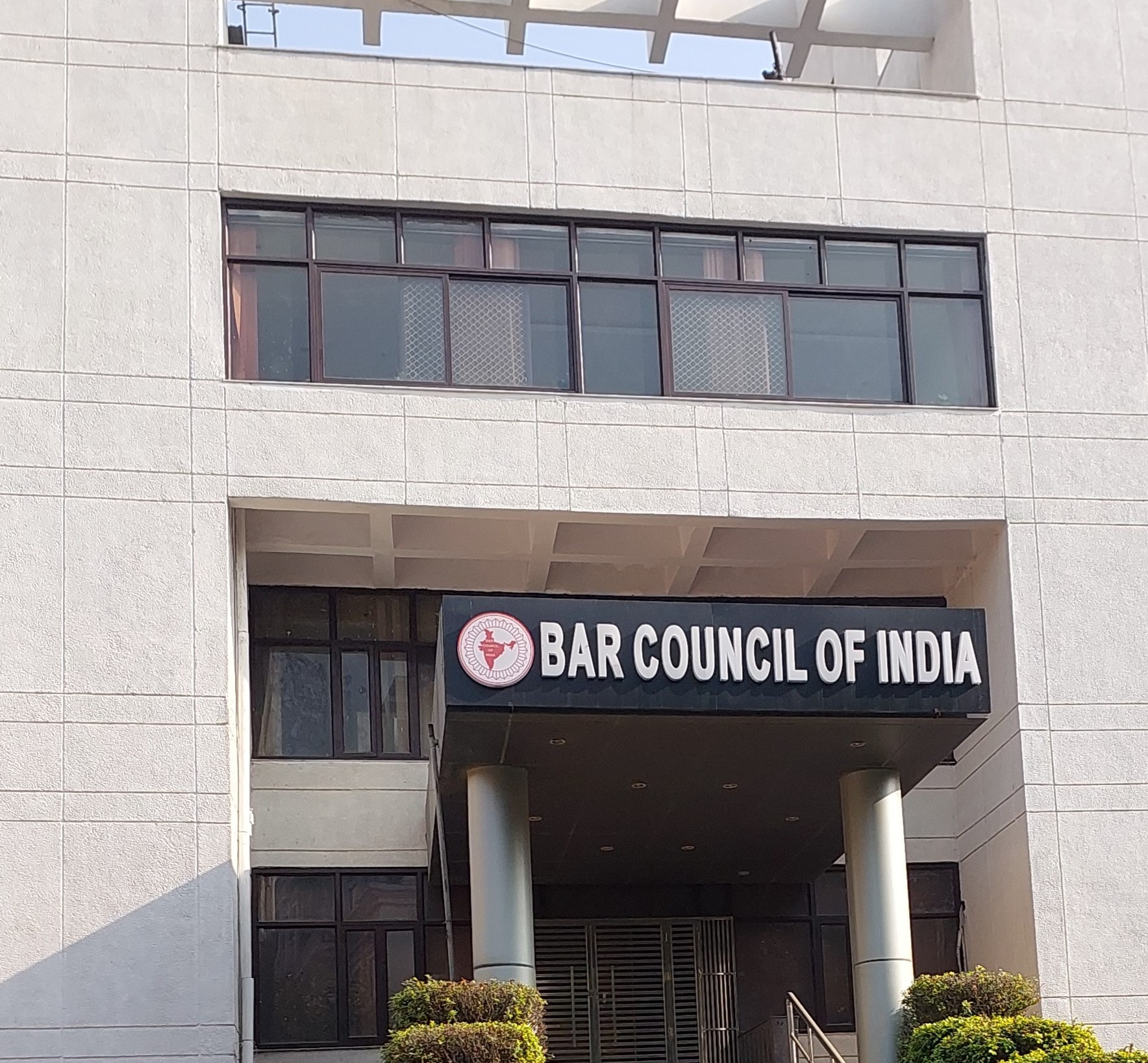
The statutory powers and functions of the BCI as conferred by means of the Advocates Act, 1961 as well as the BCI Rules are two fold;
First, to supervise the centres of legal education functioning all over the country and the students enrolled therein, inter-alia by laying down the standards of curriculum, standards of infrastructure, number and qualification of faculties, recognition of centres of legal education (Law Schools/Colleges) based upon the standards laid down by BCI and;
Secondly, to prescribe a uniform qualification for the admission of persons to be advocates and to further regulate the entry and over all conduct of Advocates in the profession by laying down standards of professional conduct and etiquettes for advocates.