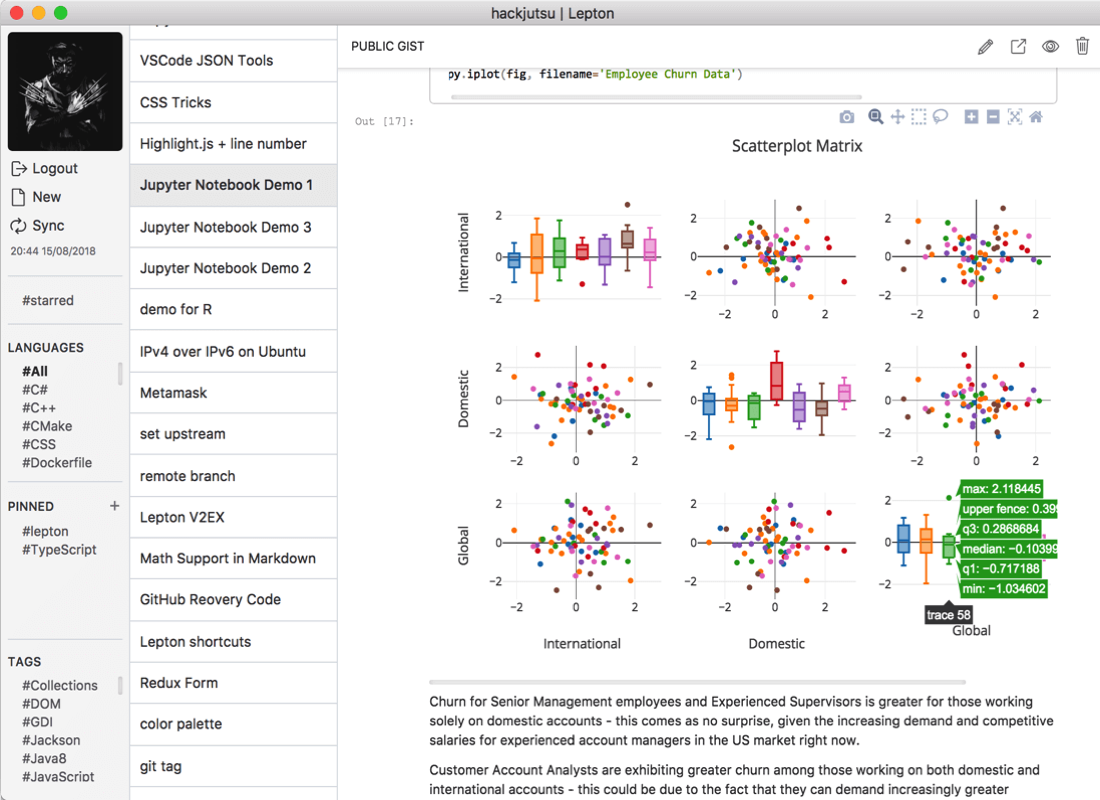
Stay Organized
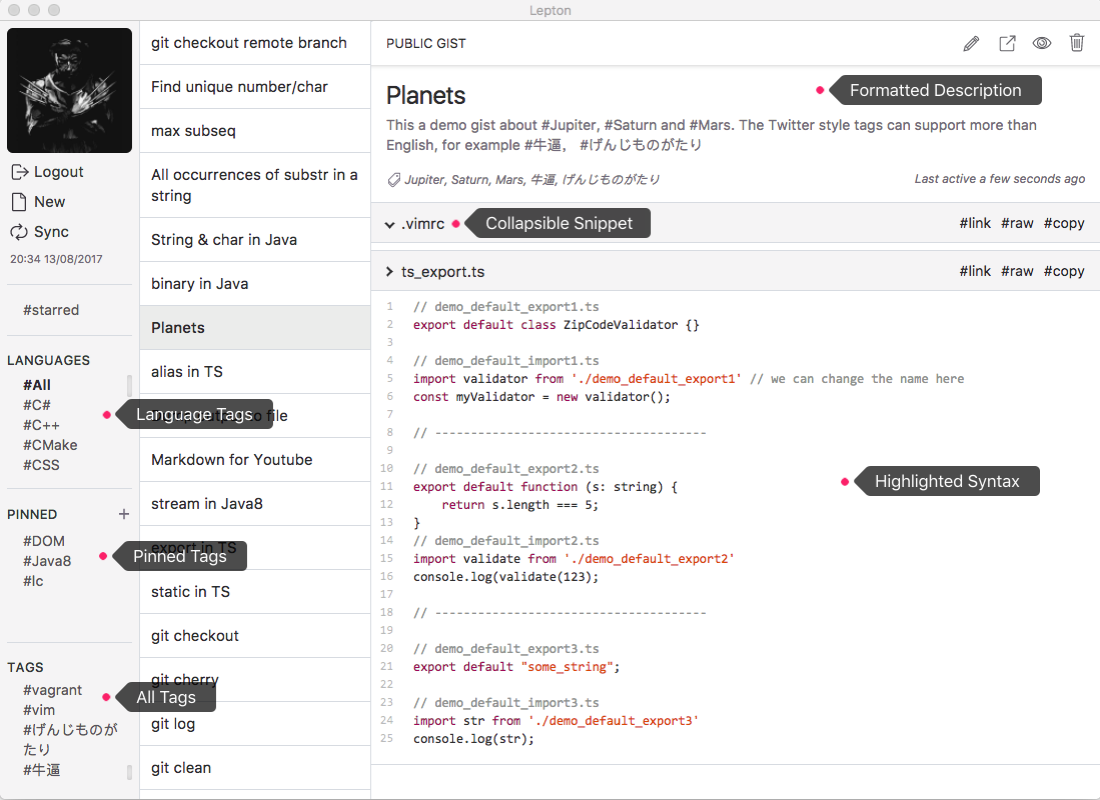
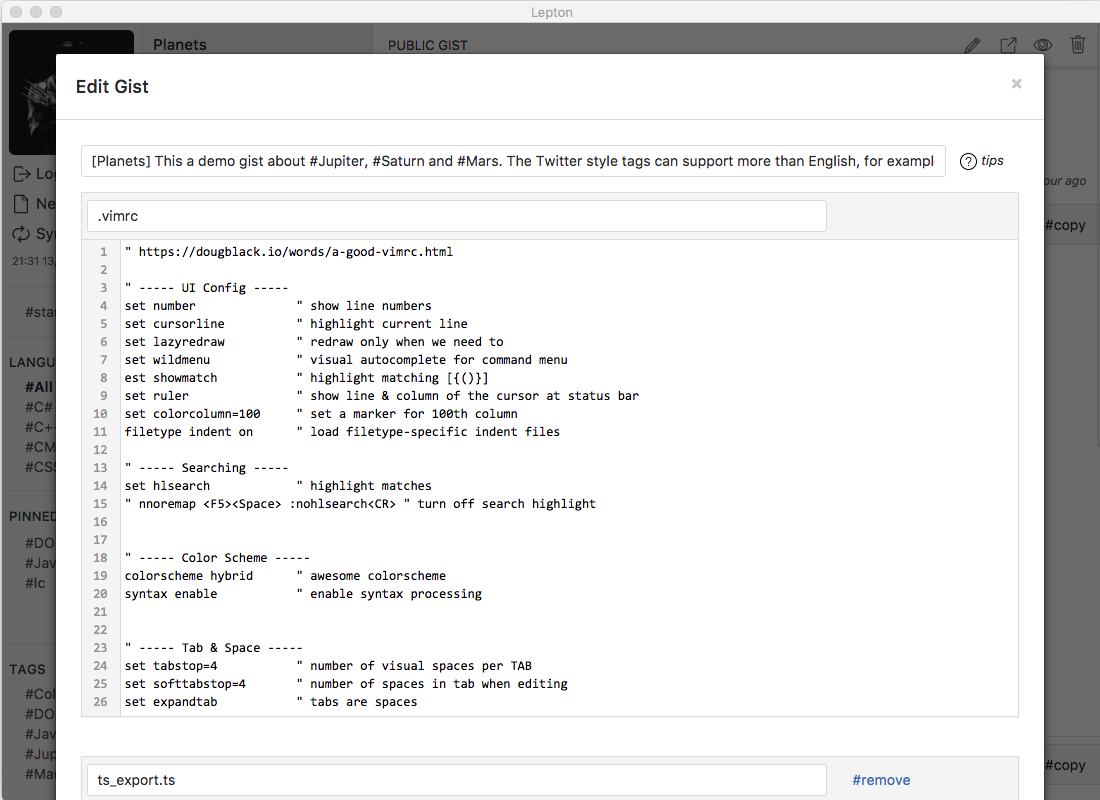
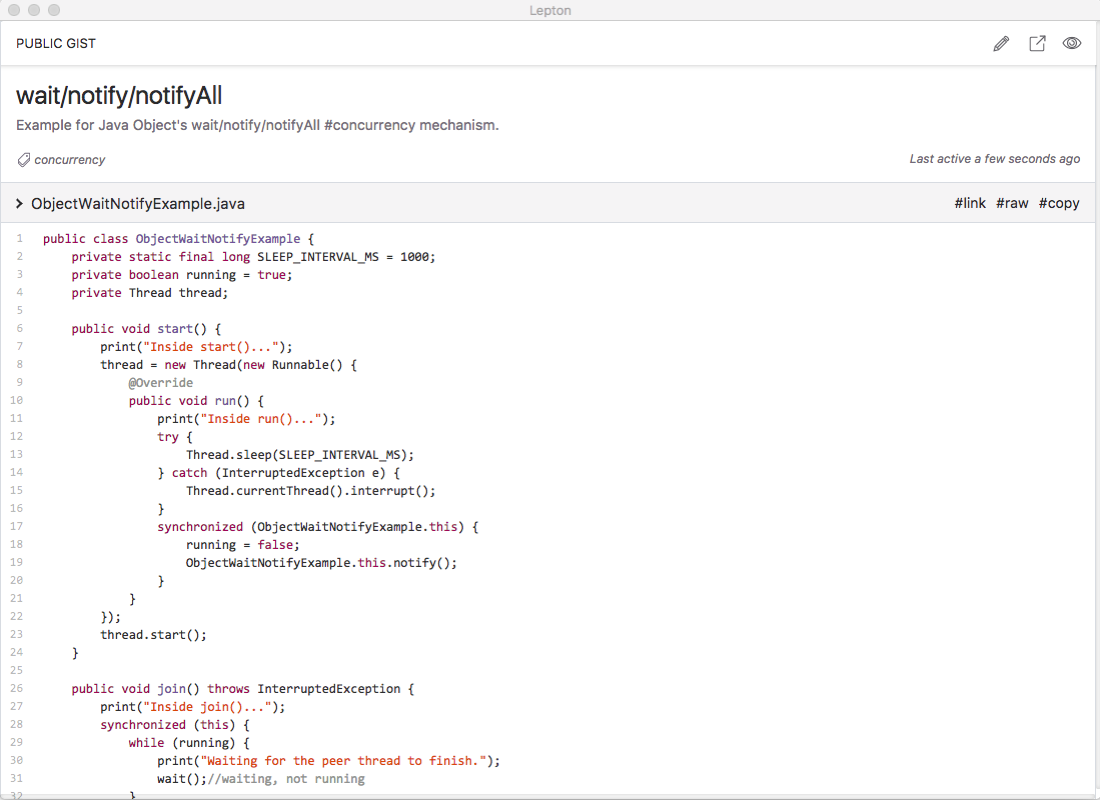
Lepton provides a formatted description section with title and tags support.
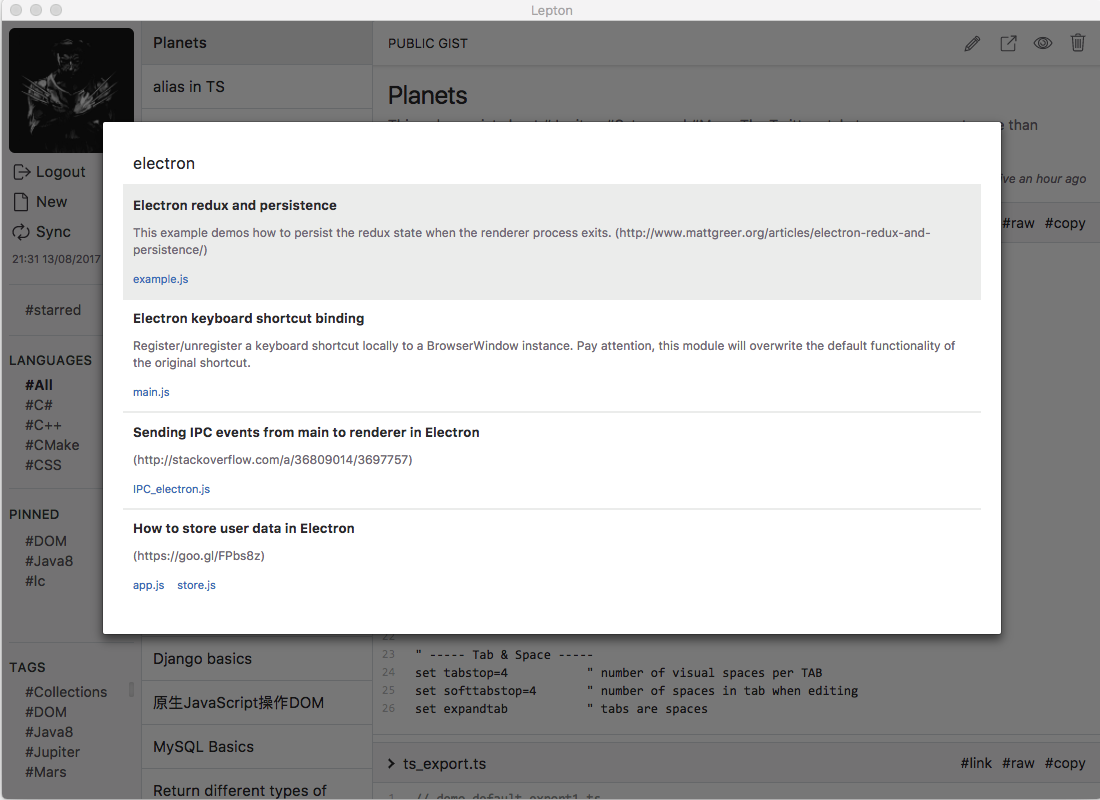
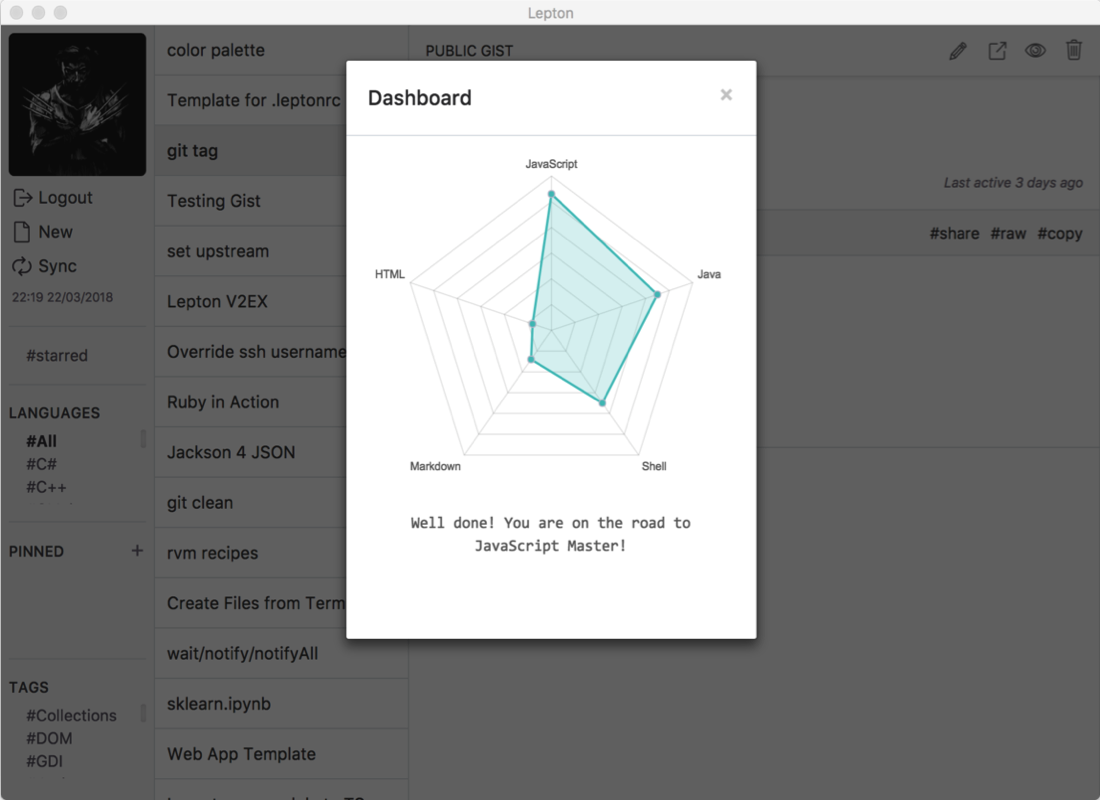
You can group your gists based on their languages and custom tags.
The Ayana Haze allegations are not isolated incidents. The entertainment and media industries have a long history of abuse, exploitation, and harassment. From the #MeToo movement to the numerous high-profile scandals, it's clear that these issues are deeply ingrained.
The alleged abuse has had a profound impact on the victims, who have reportedly suffered from trauma, anxiety, and depression. The entertainment industry, which is often criticized for its lack of accountability, has been forced to confront its own failures in addressing these allegations.
: Her professional credits are archived on platforms like IMDb, which tracks her involvement in various series under the names Ayana and Ayana Haze. The Ayana Haze allegations are not isolated incidents
The Ayana Haze allegations are a disturbing reminder of the dark side of entertainment and media. By acknowledging these issues and working towards systemic change, we can create a safer, more equitable industry for all. As the investigation unfolds, one thing is clear: the entertainment and media industries must do better to protect their talent, staff, and fans from abuse and exploitation.
So, what can be done to prevent abuse and toxicity in the entertainment and media industry? The alleged abuse has had a profound impact
The keyword phrase “Ayana Haze abuse entertainment and media content” does not merely describe a single scandal or a specific video series. It represents a syndrome . It describes the process by which real allegations of psychological, physical, or emotional mistreatment are filtered through the lens of entertainment conglomerates, true-crime podcasts, and social media algorithms to generate revenue, clicks, and cultural relevance.
This schism is emblematic of a broader issue in digital culture: the difficulty of distinguishing a genuine cry for help from a performance of distress. For a public figure like Haze, who has built her brand on a mix of vulnerability and strength, the line is especially blurred. Her fans had long been accustomed to a certain level of emotional rawness from her, which can make it harder to discern when a situation has escalated from a chronic struggle to an acute emergency. The Ayana Haze allegations are a disturbing reminder
The saga of —whether she exists as one person or a composite of dozens of digital age casualties—serves as a warning. We have built an entertainment complex that runs on gasoline made from human suffering.
The Ayana Haze allegations are not isolated incidents. The entertainment and media industries have a long history of abuse, exploitation, and harassment. From the #MeToo movement to the numerous high-profile scandals, it's clear that these issues are deeply ingrained.
The alleged abuse has had a profound impact on the victims, who have reportedly suffered from trauma, anxiety, and depression. The entertainment industry, which is often criticized for its lack of accountability, has been forced to confront its own failures in addressing these allegations.
: Her professional credits are archived on platforms like IMDb, which tracks her involvement in various series under the names Ayana and Ayana Haze.
The Ayana Haze allegations are a disturbing reminder of the dark side of entertainment and media. By acknowledging these issues and working towards systemic change, we can create a safer, more equitable industry for all. As the investigation unfolds, one thing is clear: the entertainment and media industries must do better to protect their talent, staff, and fans from abuse and exploitation.
So, what can be done to prevent abuse and toxicity in the entertainment and media industry?
The keyword phrase “Ayana Haze abuse entertainment and media content” does not merely describe a single scandal or a specific video series. It represents a syndrome . It describes the process by which real allegations of psychological, physical, or emotional mistreatment are filtered through the lens of entertainment conglomerates, true-crime podcasts, and social media algorithms to generate revenue, clicks, and cultural relevance.
This schism is emblematic of a broader issue in digital culture: the difficulty of distinguishing a genuine cry for help from a performance of distress. For a public figure like Haze, who has built her brand on a mix of vulnerability and strength, the line is especially blurred. Her fans had long been accustomed to a certain level of emotional rawness from her, which can make it harder to discern when a situation has escalated from a chronic struggle to an acute emergency.
The saga of —whether she exists as one person or a composite of dozens of digital age casualties—serves as a warning. We have built an entertainment complex that runs on gasoline made from human suffering.