Picture | Indian Xxx Girl
Audiences fund creators directly via subscriptions, merchandise, and brand partnerships.
Perhaps the most potent modern iteration of the girl picture is not narrative but aesthetic: the “Clean Girl,” “Coastal Grandmother,” or “Whimsigoth” trends on TikTok and Instagram. Here, the content is a collage—a smoothie bowl, a journal entry, a thrifted sweater, a filtered sunset. On one hand, this is profoundly useful for identity exploration. Girls can “try on” personas with zero financial or social risk, learning which visual languages resonate with their internal state. The comment sections of these posts have become safe(r) spaces for discussing mental health, sexuality, and trauma, often with a nuance that traditional media lacks.
Early popular media relied on heavily controlled imagery. Hollywood studios in the 1930s and 1940s manufactured the "pin-up" girl. These pictures served as morale boosters and marketing tools. Media conglomerates strictly controlled these images. Audiences consumed them passively through magazines, posters, and cinema screens. The Television and Paparazzi Boom
However, not all girl pictures are created equal. Some critics argue that these forms of entertainment often perpetuate problematic stereotypes, reinforcing societal beauty standards, and promoting consumerism and materialism. The hypersexualization of young women in some media, for example, has raised concerns about objectification and the erosion of agency. Indian xxx girl picture
[Visual Content Creation] ➔ [Algorithmic Optimization] ➔ [User Engagement] ➔ [Brand Monetization] The Influencer Economy
The intersection of technology and entertainment media is moving into uncharted territory with the rise of Artificial Intelligence (AI).
When we look at a girl’s picture in popular media, we are looking at a story, a set of choices, and an invitation. Let us look with care. On one hand, this is profoundly useful for
Fans are no longer just viewers; they are participants. When a girl posts a picture of a specific fashion trend or movie screening, she contributes to the viral loop of that media property.
While airbrushed perfection defined the late 20th century, modern popular media increasingly rewards dynamic, lifestyle-focused imagery. Audiences on platforms like Instagram, TikTok, and Pinterest gravitate toward "girl pictures" that blend high production value with perceived authenticity. Candid snapshots, behind-the-scenes glimpses of entertainment production, and streetwear photography often outperform traditional, sterile studio setups because they feel relatable to the consumer. Driving Engagement in Entertainment Content
The contemporary media ecosystem is defined by the "aesthetic economy." Platforms like Instagram, TikTok, and Pinterest have prioritized visual storytelling, making the "girl picture" a central unit of digital currency. This isn't merely about vanity; it is about the democratization of fame. Historically, popular media was gatekept by casting directors and editors. Today, individual creators use high-quality imagery to build personal brands, bypassing traditional industry hurdles. Narrative Shifts in Popular Media Early popular media relied on heavily controlled imagery
Driven largely by Gen Z, this movement revives the bold, colorful, and tech-optimistic visuals of the late 1990s and early 2000s. It repurposes low-resolution flash photography, metallic fashion, and retro digital overlays to challenge modern, minimalist media trends. 4. The Creator Economy and Autonomy
Platforms like BeReal attempted to kill the filter by forcing users to post a dual-camera picture within two minutes. While its popularity waned, it proved a thesis: young women are exhausted by the frame. They want permission to exit the picture.
 Akira Jimbo
 Akira Onozuka
 CASIOPEA
 DEZOLVE
 DIMENSION
 Hiroshi Kubota
 Hirotaka Izumi
 Hiroyuki Noritake
 Issei Noro
 JIMSAKU
 Jun Kajiwara
 Kaori Kobayashi
 Kazuki Katsuta
 Keiji Matsumoto
 Masahiro Andoh
 Masato Honda
 Masayoshi Takanaka
 Mitsuru Sutoh
 Naoya Matsuoka
 PYRAMID
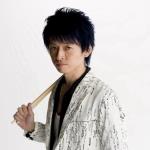 Satoshi Bandoh
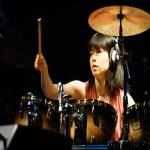 Senri Kawaguchi
 Takahiro Miyazaki
 Takashi Masuzaki
 Takeshi Itoh
 Tetsuo Sakurai
 Tomohito Aoki
 Toshiki Kadomatsu
 TRIX
TRIX T-SQUARE
 Various Artists
 Yoshihiro Naruse
 Yoshitaka Mihara
 Yuji Toriyama
 Yuya Komoguchi