The lyrics of Kodungallur Bharani Pattu are infused with themes of devotion, love, and celebration. The song is often sung during festivals and special occasions, such as weddings and temple festivals. The lyrics express a deep sense of reverence and devotion to the gods and goddesses of Kerala, as well as a love for the land and its culture.

The oracles, dressed in red robes and wielding curved ceremonial swords, enter a trance state, believed to be possessed by the goddess herself. In this frenzied dance, they strike their own foreheads with their swords, offering their blood to the deity, while their followers beat the temple's rafters with sticks and throw offerings. It is within this chaotic and charged atmosphere that the Bharani Pattu is sung, its rhythm and verses driving the participants into a deeper trance.

The unique offering of the Bharani Pattu is the hurling of verbal abuse at the goddess. The lyrics of these songs are raw, sexually explicit, and filled with obscenities. They are often referred to as theri pattu (abusive songs). On the surface, this practice seems heretical, but within the festival's unique theology, it is the highest form of devotion. The goddess in her furious form is so all-powerful that only the most potent offering—raw, unfiltered, and taboo language—can match her energy and bring her peace.

Because the literal lyrics contain extreme profanity, scholarly translations generally focus on the structural meaning rather than word-for-word vulgarity. Here is a conceptual breakdown of how a standard Bharani Pattu song transitions from raw provocation to deep devotion: The Provocation (The Raw Phase)

This article explores the Kodungallur Bharani Pattu, its legendary origins, cultural significance, and provides English translations of selected verses to help readers understand this paradoxical tradition where abuse becomes devotion.

The highlight of the festival is , during which hundreds of oracles dressed in red robes, adorned with bells and smeared with sandalwood and turmeric, enter a trance-like state, brandish ceremonial swords, and strike their own foreheads until blood flows. Amid this frenzied atmosphere, devotees hurl turmeric powder and coconuts onto the temple roof, ritually "polluting" the sacred space—and they sing the Bharani Pattu.

Verse 3: The wind whispers secrets in your ear The trees sway to the rhythm of your presence The flowers bloom in your honor, oh goddess You are the source of life, the essence of creation
A world of geom

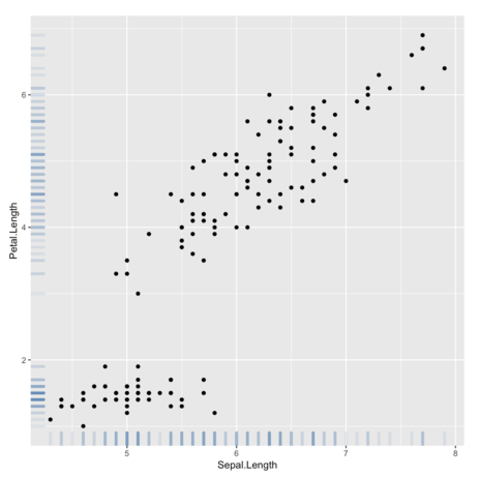
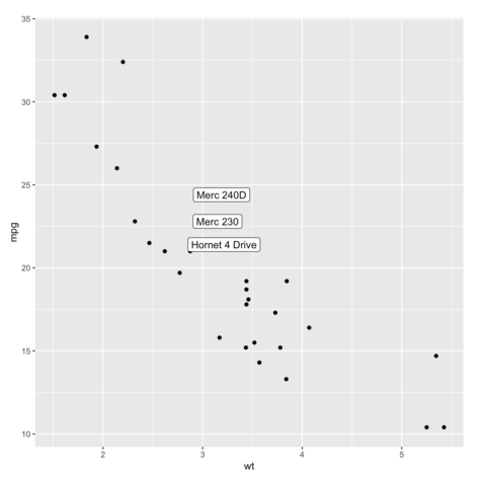
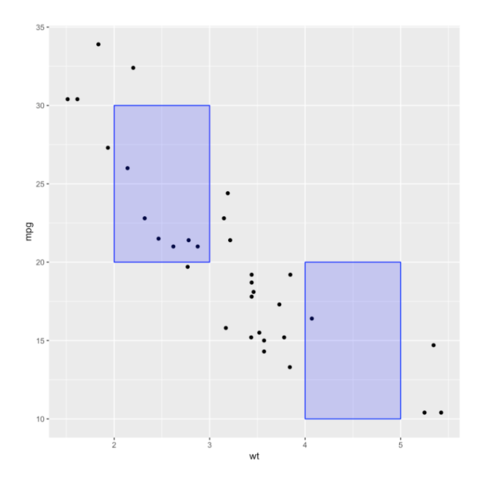
ggplot2 builds charts through layers using geom_ functions. Here is a list of the different available geoms. Click one to see an example using it.

geom_bar geom_bin geom_boxplot geom_density geom_error geom_hex geom_hist geom_hline geom_jitter geom_label geom_line geom_point geom_polygon geom_rect geom_ribbon geom_rug geom_segment geom_smooth geom_text geom_tile geom_violin geom_vline
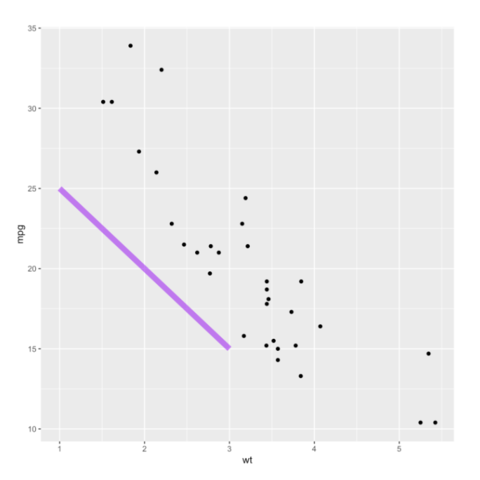
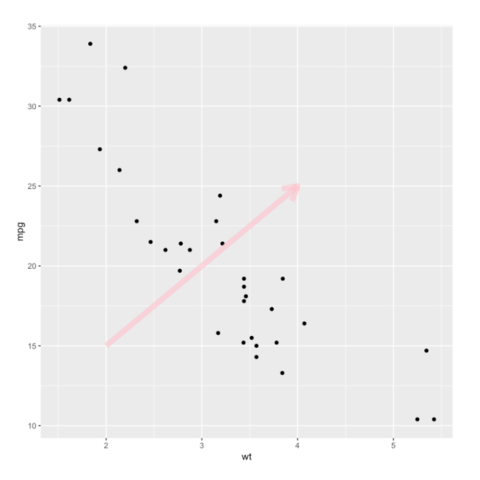
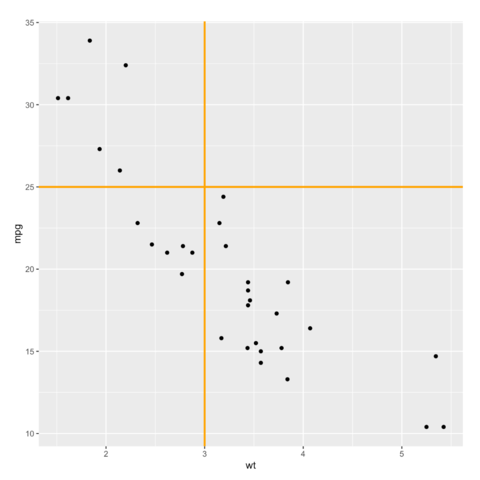
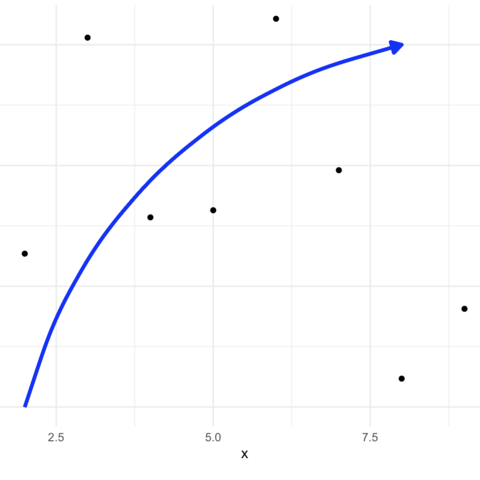
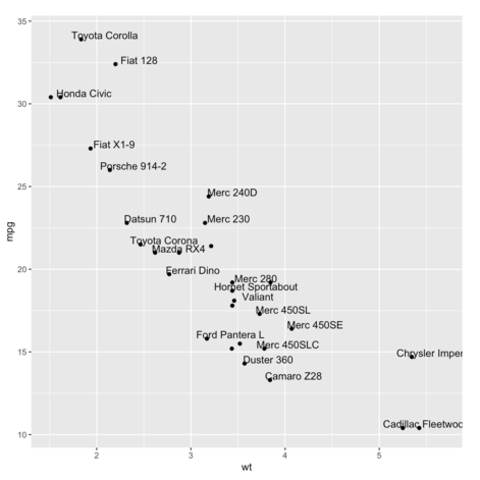
Annotation with ggplot2

Annotation is a key step in data visualization. It allows to highlight the main message of the chart, turning a messy figure in an insightful medium. ggplot2 offers many function for this purpose, allowing to add all sorts of text and shapes.


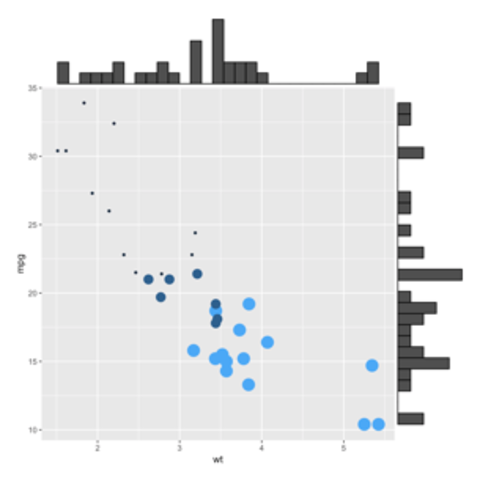
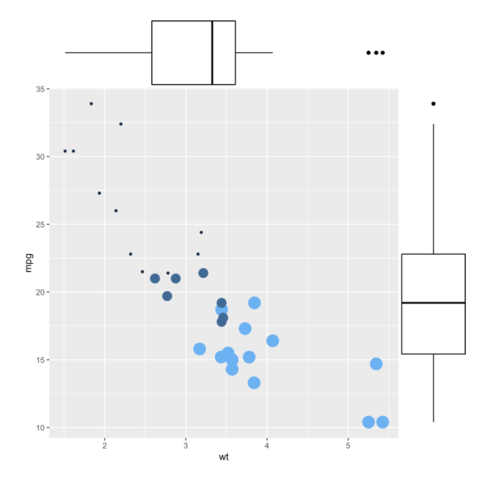
Marginal plot

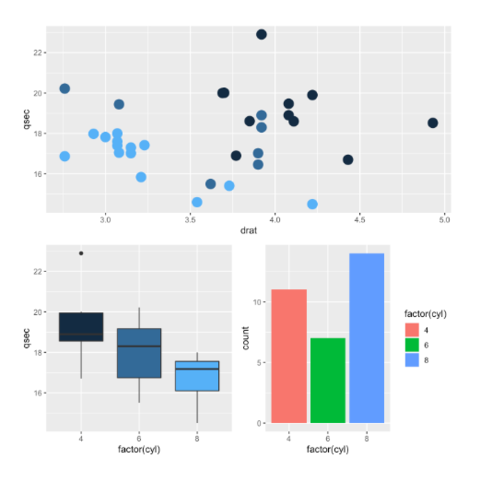
Marginal plots are not natively supported by ggplot2, but their realisation is straightforward thanks to the ggExtra library as illustrated in graph #277.


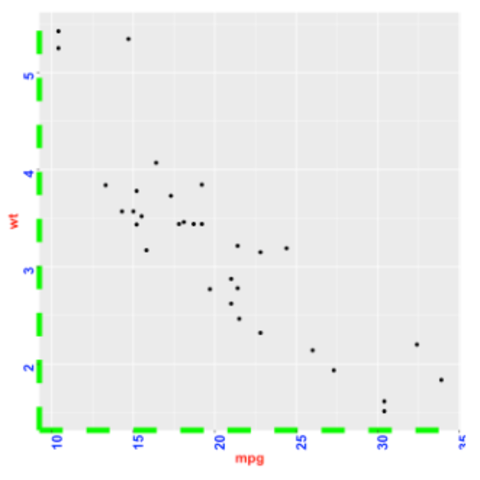
ggplot2 chart appearance

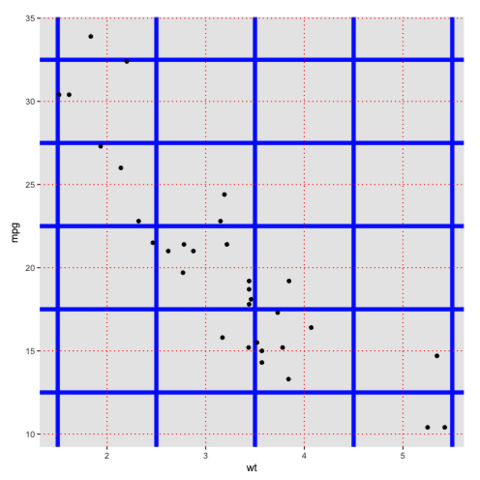
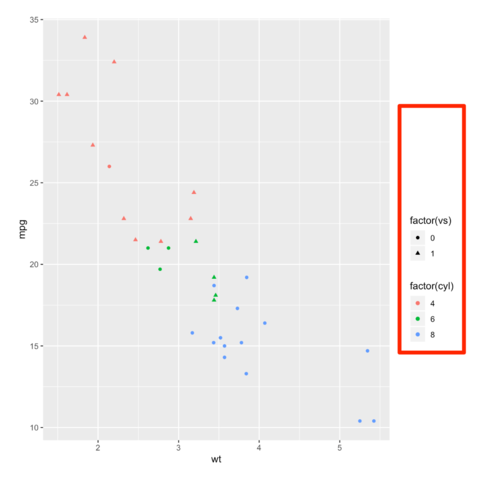
The theme() function of ggplot2 allows to customize the chart appearance. It controls 3 main types of components:

Re-ordering with ggplot2


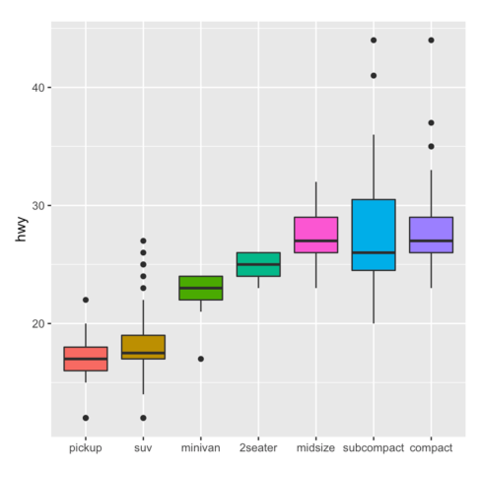
When working with categorical variables (= factors), a common struggle is to manage the order of entities on the plot.

Post #267 is dedicated to reordering. It describes 3 different way to arrange groups in a ggplot2 chart:


Read post
Tidyverse

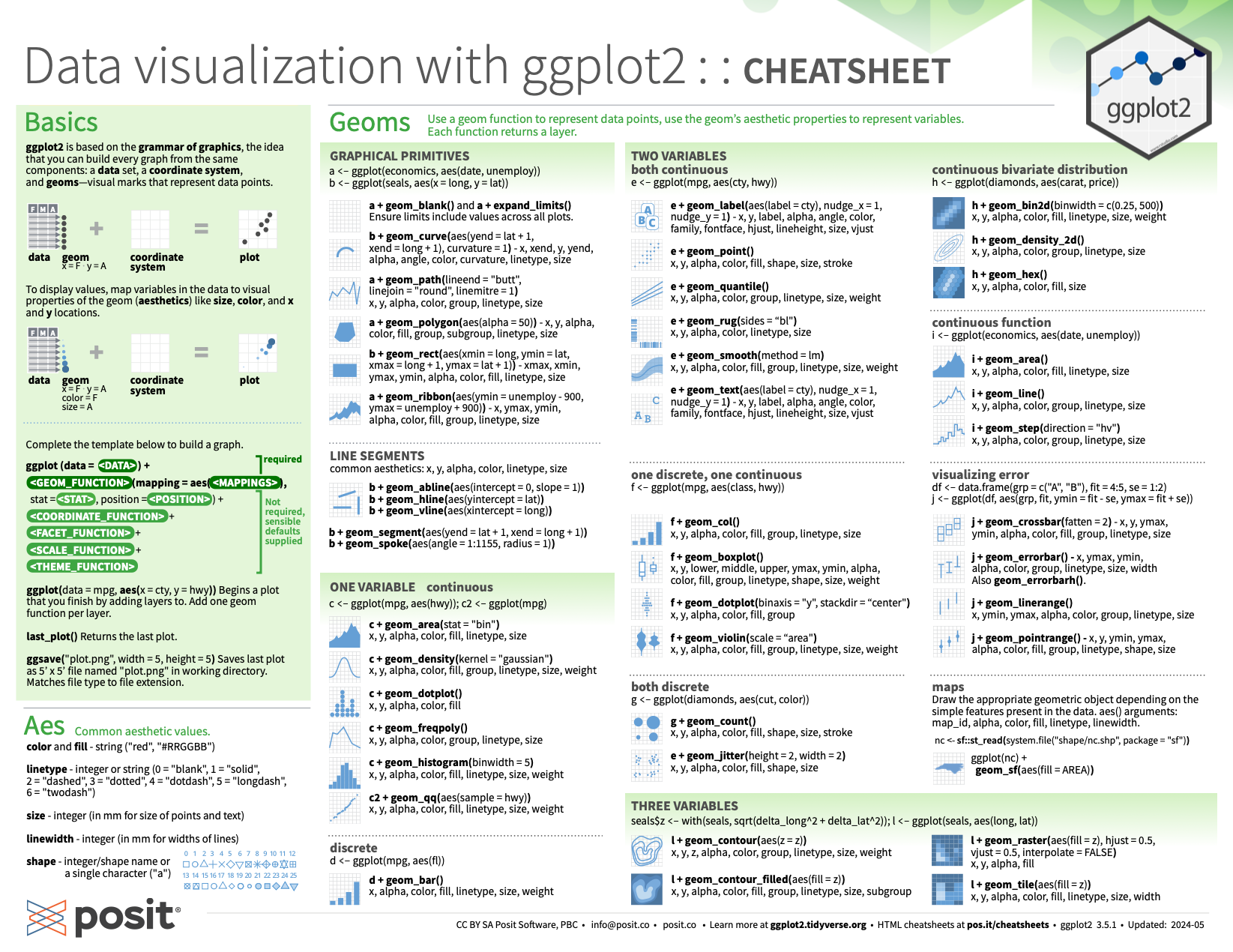
Here’s the official ggplot2 cheatsheet created by Posit. It covers all the key concepts of the library.

I've also compiled it with the most useful R and data visualization cheatsheets into a single PDF you can download:

ggplot2 title

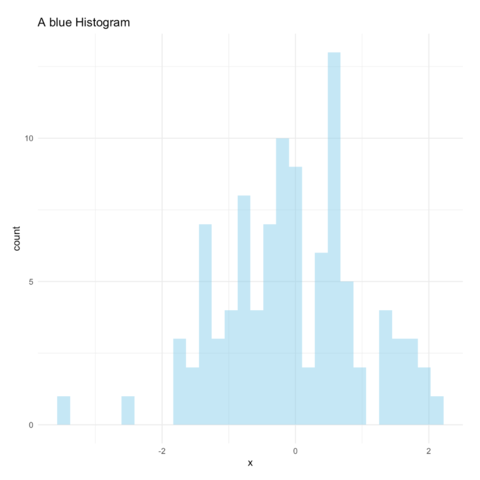
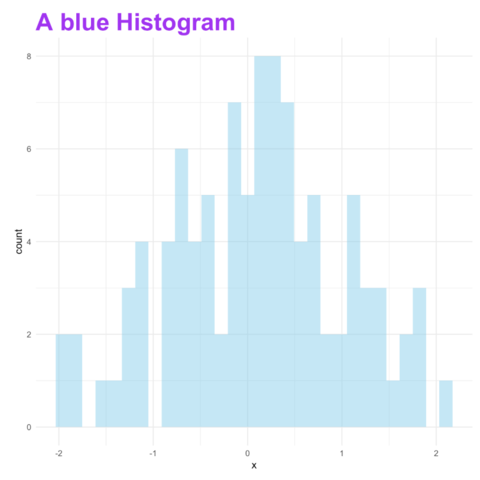
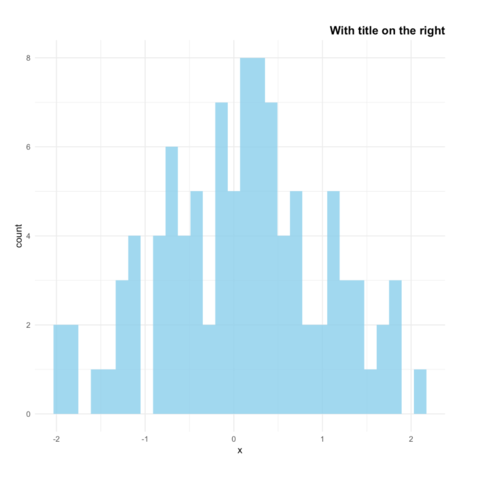
The ggtitle() function allows to add a title to the chart. The following post will guide you through its usage, showing how to control title main features: position, font, color, text and more.


Use custom fonts with ggplot2

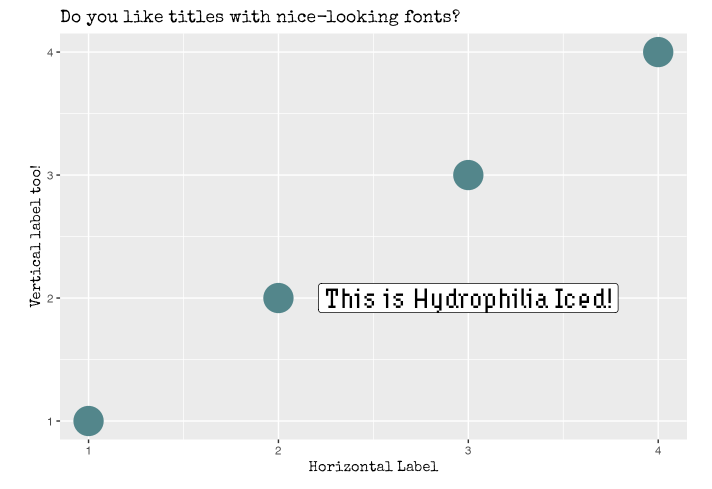
If you don't want your plot to look like any others, you'll definitely be interested in using custom fonts for your title and labels! This is totally possible thanks to 2 main packages: ragg and showtext. The blog-post below should help you using any font in minutes.


Small multiples: facet_wrap() and facet_grid()

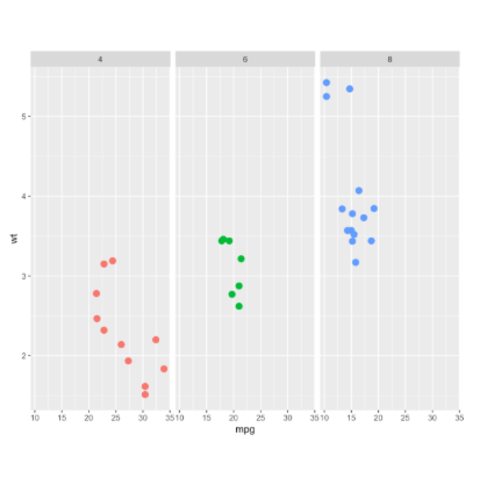
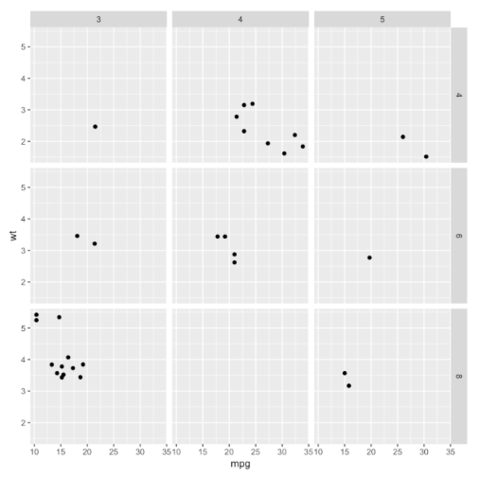
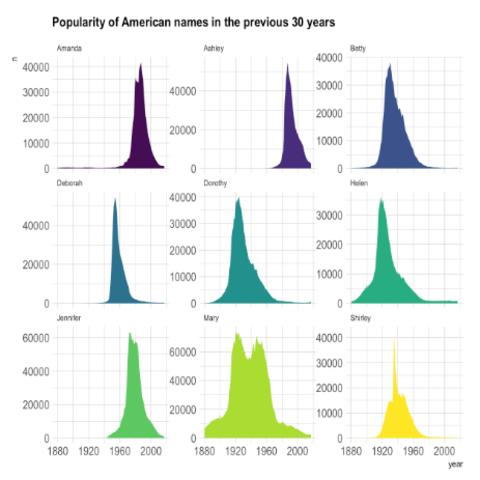
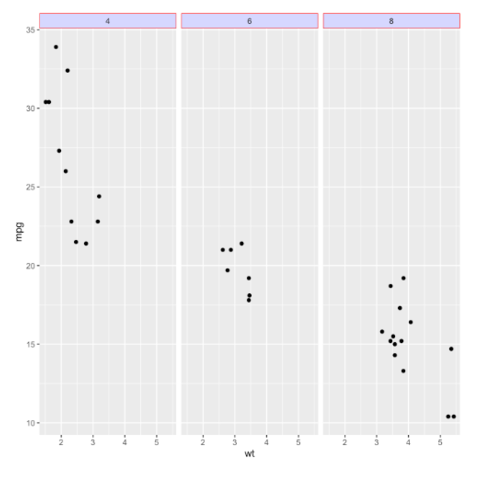
Small multiples is a very powerful dataviz technique. It split the chart window in many small similar charts: each represents a specific group of a categorical variable. The following post describes the main use cases using facet_wrap() and facet_grid() and should get you started quickly.

A set of pre-built themes

It is possible to customize any part of a ggplot2 chart thanks to the theme() function. Fortunately, heaps of pre-built themes are available, allowing to get a good style with one more line of code only. Here is a glimpse of the available themes. See code

Kodungallur Bharani Pattu Lyrics In English !exclusive! Instant

The lyrics of Kodungallur Bharani Pattu are infused with themes of devotion, love, and celebration. The song is often sung during festivals and special occasions, such as weddings and temple festivals. The lyrics express a deep sense of reverence and devotion to the gods and goddesses of Kerala, as well as a love for the land and its culture.

The oracles, dressed in red robes and wielding curved ceremonial swords, enter a trance state, believed to be possessed by the goddess herself. In this frenzied dance, they strike their own foreheads with their swords, offering their blood to the deity, while their followers beat the temple's rafters with sticks and throw offerings. It is within this chaotic and charged atmosphere that the Bharani Pattu is sung, its rhythm and verses driving the participants into a deeper trance.

The unique offering of the Bharani Pattu is the hurling of verbal abuse at the goddess. The lyrics of these songs are raw, sexually explicit, and filled with obscenities. They are often referred to as theri pattu (abusive songs). On the surface, this practice seems heretical, but within the festival's unique theology, it is the highest form of devotion. The goddess in her furious form is so all-powerful that only the most potent offering—raw, unfiltered, and taboo language—can match her energy and bring her peace.

Because the literal lyrics contain extreme profanity, scholarly translations generally focus on the structural meaning rather than word-for-word vulgarity. Here is a conceptual breakdown of how a standard Bharani Pattu song transitions from raw provocation to deep devotion: The Provocation (The Raw Phase)

This article explores the Kodungallur Bharani Pattu, its legendary origins, cultural significance, and provides English translations of selected verses to help readers understand this paradoxical tradition where abuse becomes devotion.

The highlight of the festival is , during which hundreds of oracles dressed in red robes, adorned with bells and smeared with sandalwood and turmeric, enter a trance-like state, brandish ceremonial swords, and strike their own foreheads until blood flows. Amid this frenzied atmosphere, devotees hurl turmeric powder and coconuts onto the temple roof, ritually "polluting" the sacred space—and they sing the Bharani Pattu.

Verse 3: The wind whispers secrets in your ear The trees sway to the rhythm of your presence The flowers bloom in your honor, oh goddess You are the source of life, the essence of creation
Related chart types


Kodungallur Bharani Pattu Lyrics In English
Ggplot2
Kodungallur Bharani Pattu Lyrics In English
Animation
Kodungallur Bharani Pattu Lyrics In English
Interactivity
Kodungallur Bharani Pattu Lyrics In English
3D
Kodungallur Bharani Pattu Lyrics In English
Caveats
Kodungallur Bharani Pattu Lyrics In English
Data art