
Startseite » Windows 7 Loader eXtreme Edition v3 544 By NAPALUM »

V3 544 By Napalum - Windows 7 Loader Extreme Edition

Klima | Lüftung Produkte
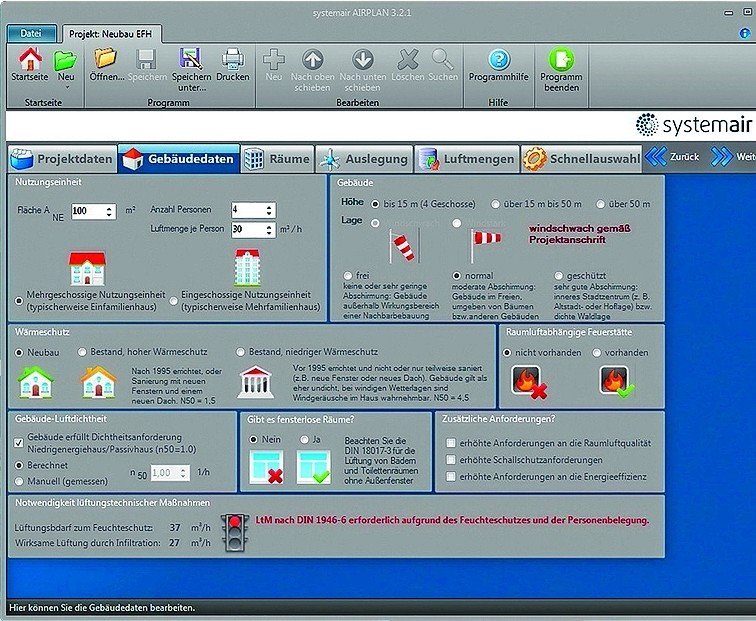
Lüftungskonzepte nach DIN 1946-6

Lüftungskonzepte nach DIN 1946-6
Bild: Systemair

V3 544 By Napalum - Windows 7 Loader Extreme Edition

The proliferation of Windows activation tools has been a significant concern in the realm of computer security and software licensing. One such tool that has garnered attention is the Windows 7 Loader eXtreme Edition v3 544 developed by NAPALUM. This paper aims to provide a comprehensive analysis of this tool, exploring its functionalities, implications on system security, and the broader context of software activation.

A complex interface for power users to manually dump SLIC certificates, check checksums, and manage product keys.

It offers different levels of system modification, categorized as Safest, Safe, and UnSafe , depending on how deeply the loader integrates with the system's boot sector.

Antivirus programs frequently flag loaders as "malicious". While some claims are false positives because the tool modifies system files, many versions found on public torrent sites are bundled with real malware, such as keyloggers or backdoors. OS Vulnerability: Windows 7 Loader eXtreme Edition v3 544 By NAPALUM

Windows 7 Loader eXtreme Edition v3.544 by NAPALUM is a legacy software tool. It was designed to bypass the Windows Activation Technologies (WAT) in Windows 7. 💻 What is it?

While the technical capabilities of the Windows 7 Loader eXtreme Edition v3 are impressive, it is absolutely critical to understand the significant risks involved in using it.

It allowed for the installation of custom OEM logos and certificates. Security and Stability Risks The proliferation of Windows activation tools has been

is a legacy, third-party software activation tool that was historically used to bypass Microsoft's Windows Genuine Advantage (WGA) validation system on Windows 7 operating systems. Created by an anonymous developer or group known as NAPALUM, this utility belongs to a class of software activation bypasses commonly referred to as "loaders" or "cracks."

Modifying the MBR or BIOS SLIC tables can lead to system instability, boot failures, or data loss if the activation fails or is interrupted, according to Scribd.

Injects SLIC (Software Licensing Description Table) 2.1 data into the system memory during the boot process. Trial Reset: A complex interface for power users to manually

Furthermore, Windows 7 officially reached its . Microsoft no longer provides public security updates, patches, or technical support for the operating system. Running Windows 7 on an internet-connected device exposes users to critical vulnerabilities that cannot be patched, regardless of whether the operating system is activated genuinely or via a loader.

This activator was celebrated for being a "universal tool," capable of activating any edition of Windows 7, including Starter, Home, Professional, and Ultimate, on both 32-bit (x86) and 64-bit (x64) architectures. Its primary appeal was simplicity: a few clicks, and an otherwise unregistered copy of Windows would appear authentic.

The is a software utility, often referred to as a "loader," designed to activate Microsoft Windows 7 without the need for a genuine product key. Its primary purpose is to circumvent the Windows Activation Technologies (WAT), making the operating system believe it has been legitimately activated by an Original Equipment Manufacturer (OEM).

It tricks the operating system into believing it is running on Original Equipment Manufacturer (OEM) hardware (like Dell or HP) that already has a permanent license embedded in its BIOS.



The proliferation of Windows activation tools has been a significant concern in the realm of computer security and software licensing. One such tool that has garnered attention is the Windows 7 Loader eXtreme Edition v3 544 developed by NAPALUM. This paper aims to provide a comprehensive analysis of this tool, exploring its functionalities, implications on system security, and the broader context of software activation.

A complex interface for power users to manually dump SLIC certificates, check checksums, and manage product keys.

It offers different levels of system modification, categorized as Safest, Safe, and UnSafe , depending on how deeply the loader integrates with the system's boot sector.

Antivirus programs frequently flag loaders as "malicious". While some claims are false positives because the tool modifies system files, many versions found on public torrent sites are bundled with real malware, such as keyloggers or backdoors. OS Vulnerability:

Windows 7 Loader eXtreme Edition v3.544 by NAPALUM is a legacy software tool. It was designed to bypass the Windows Activation Technologies (WAT) in Windows 7. 💻 What is it?

While the technical capabilities of the Windows 7 Loader eXtreme Edition v3 are impressive, it is absolutely critical to understand the significant risks involved in using it.

It allowed for the installation of custom OEM logos and certificates. Security and Stability Risks

is a legacy, third-party software activation tool that was historically used to bypass Microsoft's Windows Genuine Advantage (WGA) validation system on Windows 7 operating systems. Created by an anonymous developer or group known as NAPALUM, this utility belongs to a class of software activation bypasses commonly referred to as "loaders" or "cracks."

Modifying the MBR or BIOS SLIC tables can lead to system instability, boot failures, or data loss if the activation fails or is interrupted, according to Scribd.

Injects SLIC (Software Licensing Description Table) 2.1 data into the system memory during the boot process. Trial Reset:

Furthermore, Windows 7 officially reached its . Microsoft no longer provides public security updates, patches, or technical support for the operating system. Running Windows 7 on an internet-connected device exposes users to critical vulnerabilities that cannot be patched, regardless of whether the operating system is activated genuinely or via a loader.

This activator was celebrated for being a "universal tool," capable of activating any edition of Windows 7, including Starter, Home, Professional, and Ultimate, on both 32-bit (x86) and 64-bit (x64) architectures. Its primary appeal was simplicity: a few clicks, and an otherwise unregistered copy of Windows would appear authentic.

The is a software utility, often referred to as a "loader," designed to activate Microsoft Windows 7 without the need for a genuine product key. Its primary purpose is to circumvent the Windows Activation Technologies (WAT), making the operating system believe it has been legitimately activated by an Original Equipment Manufacturer (OEM).

It tricks the operating system into believing it is running on Original Equipment Manufacturer (OEM) hardware (like Dell or HP) that already has a permanent license embedded in its BIOS.