MapInfo Pro is extremely flexible and can be easily integrated with your current IT systems. It is also extremely user-friendly so you don’t need to be an IT expert to use it.
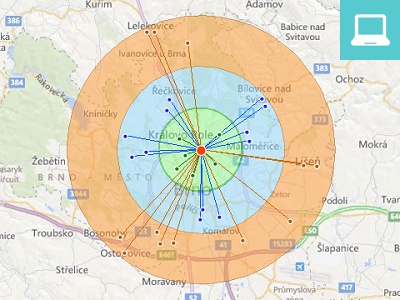
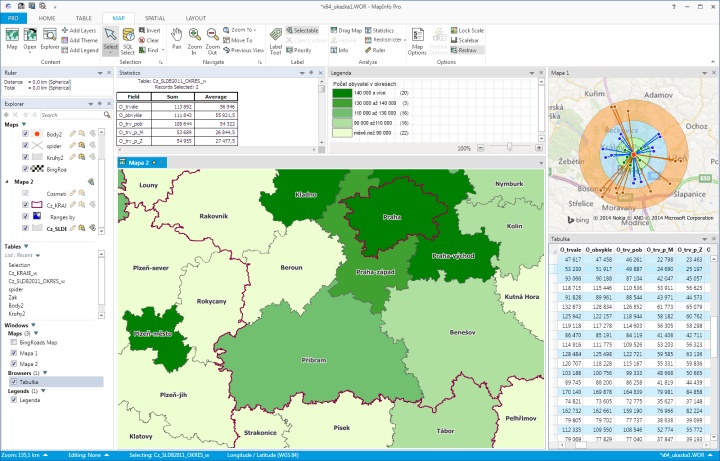
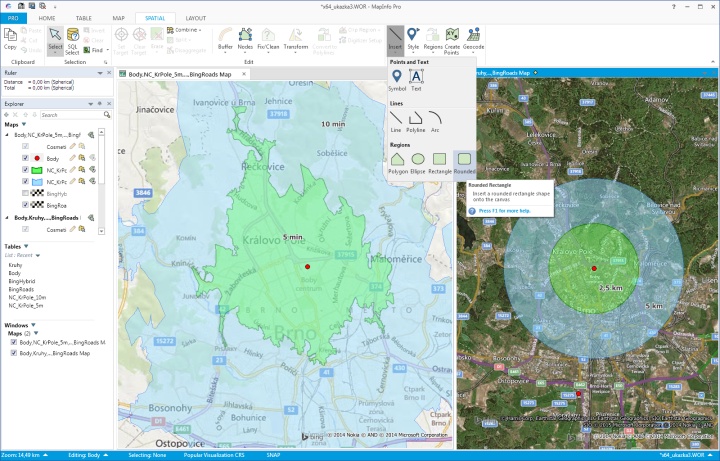
The standard version of MapInfo Pro uses a 64-bit architecture, the user interface is modern and easy to learn. This version contains most commonly used functionality, such as access to a variety of data and map formats, creating thematic maps, SQL queries, editing functions, regions redistricting, exporting maps and data, table structure management etc. This version contains also a number pre-installed add-on tools such as MapCAD, Distance Calculator, Spider Graph and many more. This is the most commonly used version of the application.
User interface corresponds with world leading software vendors. All functions are organized in tabs on the main ribbon. xtreme shemale hd tube
Brief and complete help is available for beginners. Experienced users can save time with keyboard shortcuts. This expansion has sometimes caused friction, with some
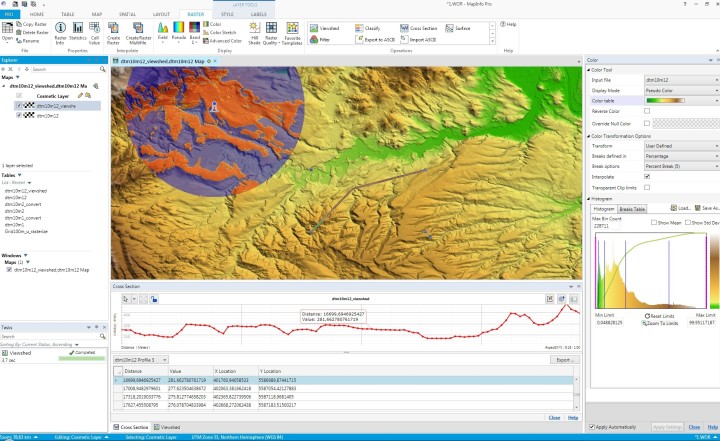
MapInfo Pro™ Advanced builds on MapInfo Pro™ introducing a highly performant raster grid analysis solution, featuring an innovative grid data format called Multi-Resolution Raster (MRR). It enables the super-fast processing, visualization and analysis of high resolution grid and image data; providing a step change in performance and usability even when working at a continental or global scale. The acronym has expanded (LGBTQIA+) to explicitly recognize
More information
MapInfo Viewer is a free application that allows users to work with workspaces that have been created in the full version of MapInfo Pro. Free registration of the user account is required to use the application. MapInfo Viewer (since version 17.0.2) is based on the same code as the full version of MapInfo Pro, so the user interface is the same. Map compositions can be viewed, users can save maps to PDF/images, Layer Control allows to switch on/off the layers etc.
More information
This expansion has sometimes caused friction, with some older LGB members feeling that "queer" has become too abstract. Yet, for younger generations, this fluidity is the essence of LGBTQ culture.
To ignore the tensions within the LGBTQ umbrella would be dishonest. While united in opposition to heteronormativity and cisnormativity, friction points exist.
Best practices for implementing in the workplace. Share public link
Today, there is a widespread recognition that true liberation is impossible without a united front. The acronym has expanded (LGBTQIA+) to explicitly recognize the vast spectrum of identities, cementing the trans community's rightful place at the table. Modern Cultural Visibility and Advocacy
Transgender individuals have heavily influenced contemporary LGBTQ+ art, fashion, language, and entertainment. Much of what is celebrated as mainstream queer culture today originated within transgender spaces.
One of the most significant contributions of the transgender community to modern LGBTQ culture is the expansion of gender beyond the binary. While early gay liberation focused on "same-sex love," trans culture asks a deeper question: "Why do we need two boxes at all?"
An umbrella term for people whose gender identity or expression differs from cultural expectations based on the sex they were assigned at birth.
Transgender women of color, including Marsha P. Johnson and Sylvia Rivera, were central figures in the Stonewall uprising, which catalyzed the modern gay liberation movement.
Always use the name and pronouns a person has requested. If you aren't sure, it is okay to ask politely or wait for them to introduce themselves.
A Latina trans activist who fought tirelessly alongside Johnson. She advocated for the inclusion of transgender people and marginalized youth within the early, mainstream gay liberation movement. Cultural Contributions and Language
Despite this, the vast majority of LGBTQ+ organizations and individuals rejected this splintering. The HIV/AIDS crisis of the 1980s and 90s, which devastated both gay and trans communities (especially trans women of color), forced a reintegration. The need for mutual care, advocacy, and survival trumped the politics of respectability. Activists realized that dividing their identities would only make them weaker in the face of a deadly, indifferent government.
Originating in Harlem during the late 20th century, the Ballroom subculture was created by Black and Latino transgender and queer youth as a safe haven from racism and transphobia. This underground culture birthed "voguish" dance styles, unique runway categories, and linguistic terms—such as "spilling tea," "throwing shade," and "work"—that are now staples of everyday global vernacular. Shows like Pose and RuPaul’s Drag Race have brought these elements into the mainstream, showcasing the creative genius of trans pioneers. Media Representation
Transgender artists, performers, and writers have profoundly shaped queer art and media.
Knowledge Community connects everyone with specialists across Pitney Bowes organization to encourage the exchange of ideas, information and to ask product-related questions.
Knowledge CommunityUseful add-on applications for MapInfo Pro that you can download and install for your license.
ToolsThis expansion has sometimes caused friction, with some older LGB members feeling that "queer" has become too abstract. Yet, for younger generations, this fluidity is the essence of LGBTQ culture.
To ignore the tensions within the LGBTQ umbrella would be dishonest. While united in opposition to heteronormativity and cisnormativity, friction points exist.
Best practices for implementing in the workplace. Share public link
Today, there is a widespread recognition that true liberation is impossible without a united front. The acronym has expanded (LGBTQIA+) to explicitly recognize the vast spectrum of identities, cementing the trans community's rightful place at the table. Modern Cultural Visibility and Advocacy
Transgender individuals have heavily influenced contemporary LGBTQ+ art, fashion, language, and entertainment. Much of what is celebrated as mainstream queer culture today originated within transgender spaces.
One of the most significant contributions of the transgender community to modern LGBTQ culture is the expansion of gender beyond the binary. While early gay liberation focused on "same-sex love," trans culture asks a deeper question: "Why do we need two boxes at all?"
An umbrella term for people whose gender identity or expression differs from cultural expectations based on the sex they were assigned at birth.
Transgender women of color, including Marsha P. Johnson and Sylvia Rivera, were central figures in the Stonewall uprising, which catalyzed the modern gay liberation movement.
Always use the name and pronouns a person has requested. If you aren't sure, it is okay to ask politely or wait for them to introduce themselves.
A Latina trans activist who fought tirelessly alongside Johnson. She advocated for the inclusion of transgender people and marginalized youth within the early, mainstream gay liberation movement. Cultural Contributions and Language
Despite this, the vast majority of LGBTQ+ organizations and individuals rejected this splintering. The HIV/AIDS crisis of the 1980s and 90s, which devastated both gay and trans communities (especially trans women of color), forced a reintegration. The need for mutual care, advocacy, and survival trumped the politics of respectability. Activists realized that dividing their identities would only make them weaker in the face of a deadly, indifferent government.
Originating in Harlem during the late 20th century, the Ballroom subculture was created by Black and Latino transgender and queer youth as a safe haven from racism and transphobia. This underground culture birthed "voguish" dance styles, unique runway categories, and linguistic terms—such as "spilling tea," "throwing shade," and "work"—that are now staples of everyday global vernacular. Shows like Pose and RuPaul’s Drag Race have brought these elements into the mainstream, showcasing the creative genius of trans pioneers. Media Representation
Transgender artists, performers, and writers have profoundly shaped queer art and media.